
Power in Pride
The Growing LBGTQ+ Electorate

Nearly *half* of American voters say they’re not totally straight, but what does that mean, politically? Change Research and LGBTQ+ Victory Fund recognize the LGBTQ+ voter bloc as a strong political force deserving of strategic outreach, concerted communications, and political strategy. From May 31 to June 11, 2024, Change Research fielded a survey of 1,749 American voters with a +/-2.5% modeled margin of error. Polling confirmed that the number of Americans identifying as LGBTQ+ has increased significantly over the past decade, with young people and people who identify as bisexual accounting for much of this increase. Only 54% of Gen Z voters identified themselves as heterosexual, compared to about three quarters of Millennials and Gen Xers.
While there’s certainly room for Americans to become more tolerant, especially on issues of gender identification, right-wing views on queerness do not align with the average American’s viewpoint. As right-wing rhetoric and policy continue to diverge from the views of many Americans, Democrats should consider this shift as an opportunity to underscore right-wing extremism.
Americans are broadly accepting of sexual diversity and the LGBTQ+ community.
60% of voters feel some level of solidarity with members of the LGBTQ+ community.
Two-thirds of LGBTQ+ voters and two-thirds of straight voters indicated that they think people are born into a specific sexuality, rather than choosing.
24% percent of voters consider themselves to be an ally.
This could be due to the high rates of self-reported queerness. One in five Americans identify as being part of the LGBTQ+ community (29% of men and 39% of women younger than 35.) Forty-eight percent of voters indicated some degree of attraction to people of their same gender.
While LGBTQ+ acceptance is growing, it can still be intimidating for people to “come out.” Only 16% of LGBTQ+ voters under 35 say that they “didn’t feel afraid” to come out, compared to 37% of those between the ages of 35 and 49, and 26% of those older than 50.
Trans, nonbinary, and gender fluid individuals enjoy less widespread understanding than their cisgendered counterparts. Trans and nonbinary people were most likely to say that they felt afraid to come out. About half (51%) of all voters disagree with the statement: “Gender exists along a spectrum, in which each person has a unique relationship with their gender and it can shift as time goes on.”
Although LGBTQ+ folks see a need for further inclusion and broader representation, there is a profound sense of community within the LGBTQ+ community. A significant amount of LGBTQ+ folks (89%) reported feeling “a lot” or “a little bit” of solidarity, far surpassing the solidarity they feel with people with the same politics as themselves, people of the same socioeconomic class, or those of the same race or ethnicity.
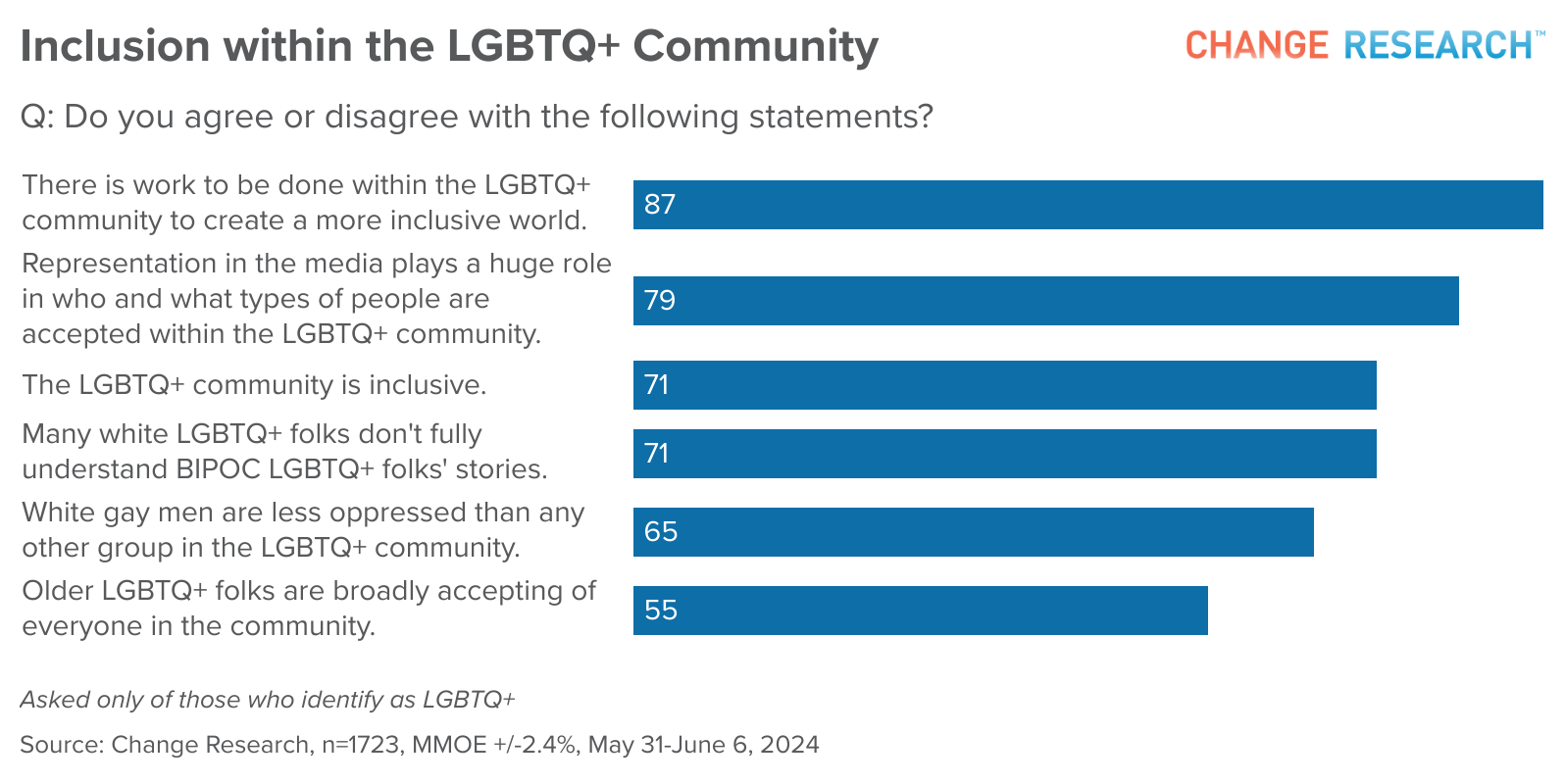
To the demise of right-wing competitors, LGBTQ+ voters mostly align with Democrats and are more likely than other voters to be politically active starting at a young age (57% reported being politically active before they were 19, compared to 45% of other voters). When offered a choice between voting for a candidate who is more economic-focused, or more social-policy focused, a plurality (45%) of LGBTQ+ voters leaned toward a candidate who is more social policy-focused than economic-focused. Straight voters say they lean toward a candidate who’s more economic-focused.
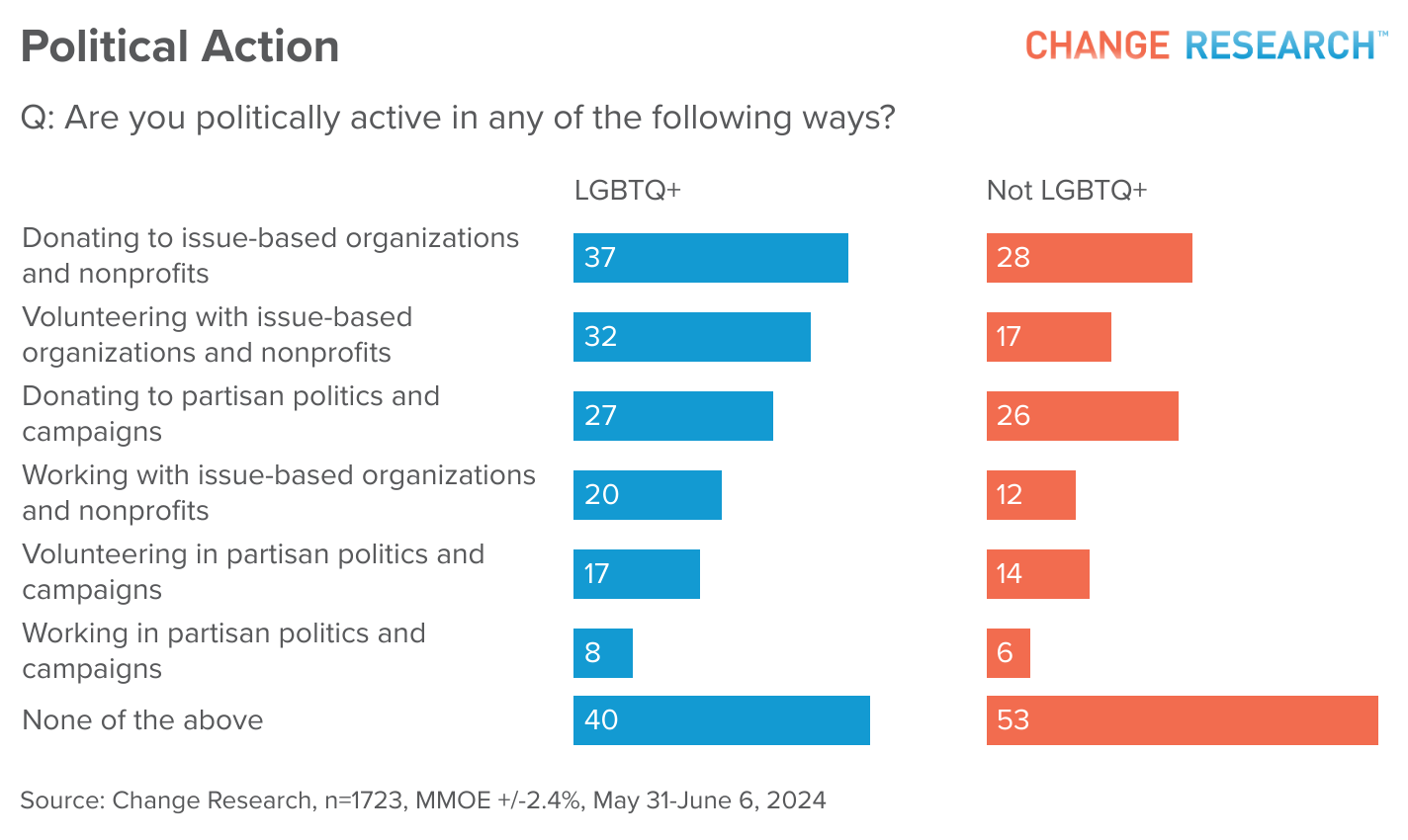
The population overwhelmingly believes that voting is an effective way to create positive change. LGBTQ+ voters (59%) are politically active, primarily through issue-based organizations and nonprofits, compared to 45% of straight voters. Additionally, 63% think of themselves as Democrats, 14% are Independents, and 12% identify with the Republicans.
There is a lack of excitement surrounding the 2024 election cycle, though. Research revealed that 41% of LGBTQ+ voters are considered to be “Double Haters,” the segment of the electorate that has an unfavorable view of both Joe Biden and Donald Trump. This segment is just 17% among the general population. Given that just over half of LGBTQ+ voters are younger than 35, these challenges are in alignment with what has been seen across the board with young voters.
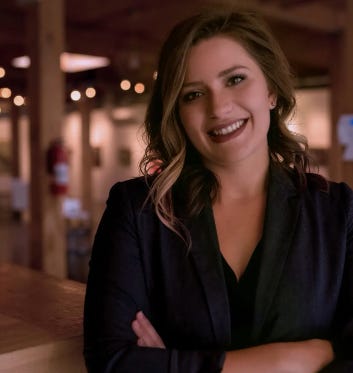
Product Manager Kyla Ronellenfitch brings eight years of qualitative and quantitative research experience to Change Research. She has designed action-oriented studies for a wide range of clients, including government, unions, pension funds and green energy. A committed life-long learner, she recently completed her Masters of Science in Analytics from the University of Chicago, and also holds Bachelors and Masters degrees from Carleton University in Ottawa, Canada.
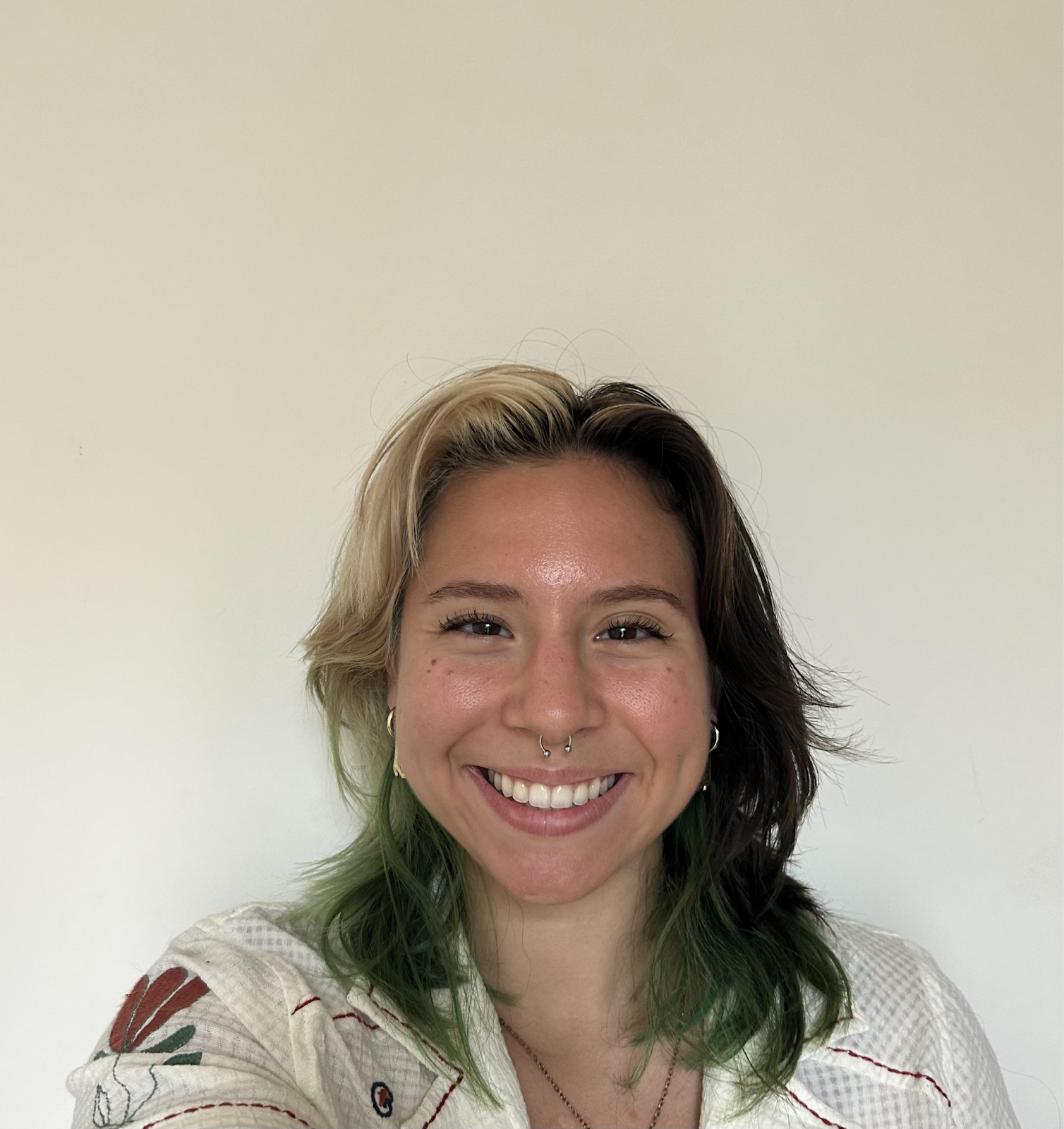
Analyst Katie Drawdy recently graduated from the University of Tulsa with a B.S. in Sociology, where she helped lead a research project that created lines of communication between public defense attorneys, police departments, and local Tulsans to effectively address domestic violence situations and build legal cases for those who are criminalized survivors in Oklahoma. Additionally, she was an intern with End Citizens United/Let America Vote, where she researched voting rule changes and key races across the nation to support their work in reducing the influence of big money in politics. In her free time, you can find her reading, running, watching women’s basketball and soccer, and wishing there were more parks and outdoor spaces in Texas.